Equipment
Equipment by measurement
Which method and equipment we use for each measurement. All of it can be used onboard, and is packed for transport.
| Measurement | Method | Our equipment | Reference |
|---|---|---|---|
| NOx | Chemiluminescence (CLD) | Horiba PG-350 and PG-250, ECO Physics HCLD | NTC 2008, Appendix 3, 3.4 |
| NO2 converter | NO2/NO converter, efficiency tested with an ozonator | M&C NO2 converter, Signal NOxgen III for the efficiency test | NTC 2008, Appendix 4, section 7 |
| CO and CO2 | Non-dispersive infrared (NDIR) | Horiba PG-350 and PG-250, Thermo Scientific, Siemens Ultramat 23 | NTC 2008, Appendix 3, 3.1 and 3.2 |
| O2 | Paramagnetic analyzer or electrochemical sensor | M&C paramagnetic oxygen analyzer, Horiba PG-350 and PG-250 | NTC 2008, Appendix 3, 3.5 |
| SO2 | Portable gas analyzer | Horiba PG-350 and PG-250 | - |
| THC | Heated FID, 190 ± 10 °C | Horiba MEXA 1170 HFID | NTC 2008, Appendix 3, 3.3 |
| Methane | Heated FID with non-methane cutter | THC analyzer with non-methane cutter | MEPC.414(84) |
| N2O and other compounds | FTIR | FTIR, up to 50 compounds | MEPC.414(84) |
| Particulate matter | Gravimetric | PM system developed by ME-Tech | ISO 8178, 40 CFR Part 1065 |
| Smoke | Filter smoke number (FSN) | AVL 415S smoke meter | ISO 10054, ISO 8178-3 |
| Engine performance | Thermocouples and pressure sensors | Calibrated and documented sensors | NTC 2008, Appendix 4, 1.3 and table 4 |
PM equipment developed by ME-Tech for a customer
We developed PM measuring equipment for a customer.
We start with the task, not the equipment. We choose what the job needs, and when the right setup does not exist, we develop it. The particulate matter (PM) system was sized to the legislation that applies, ISO 8178 and EPA 40 CFR Part 1065, then drawn, built, tested and packed to travel.
How we developed it
- 1Calculated
All sizes, dimensions and the dilution ratio.
- 2Drawn
The system and its parts, as engineering drawings.
- 3Built and tested
Components chosen to suit travel, built and tested before it leaves.
- 4Packed
In foam-lined cases made for transport.
- 5Used onboard
Taken to the engine, and used for the tests.
Every step is documented: calculations, drawings and test records.
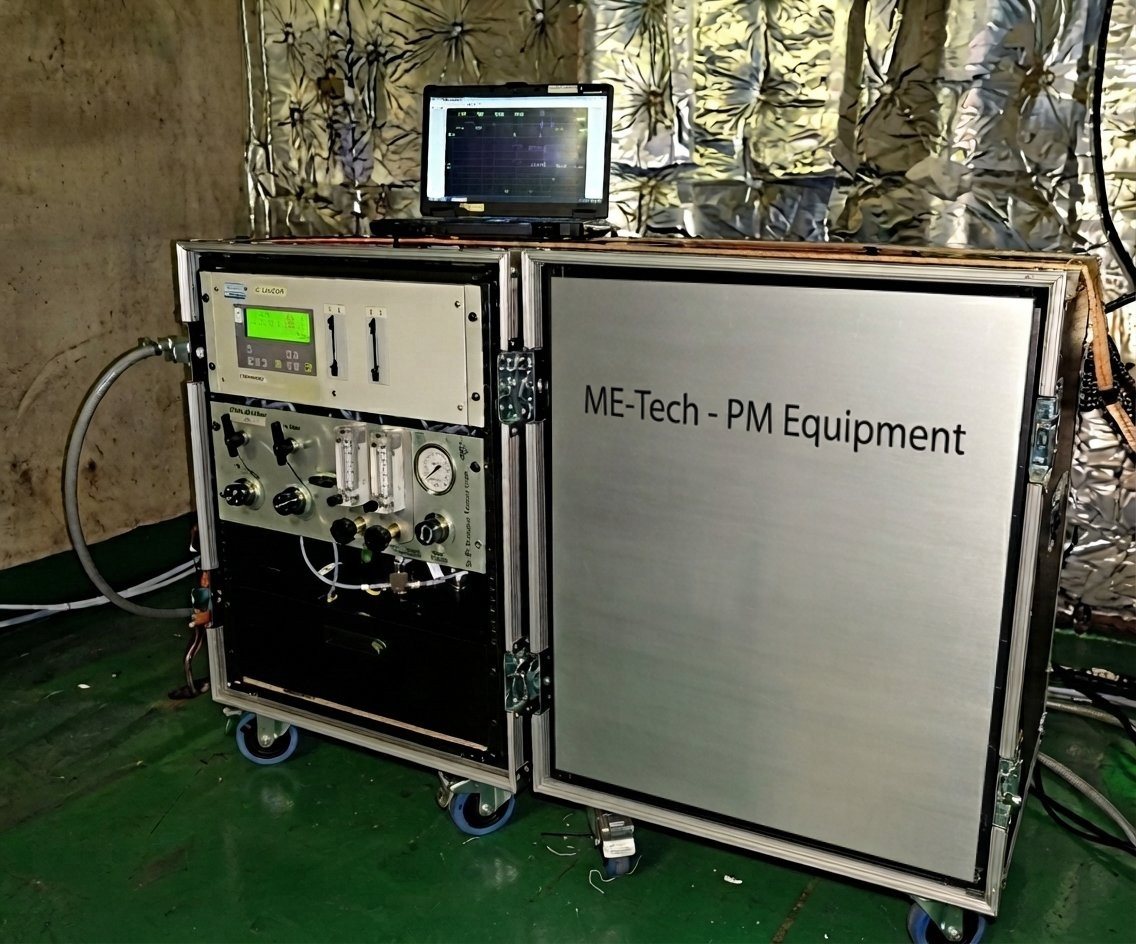
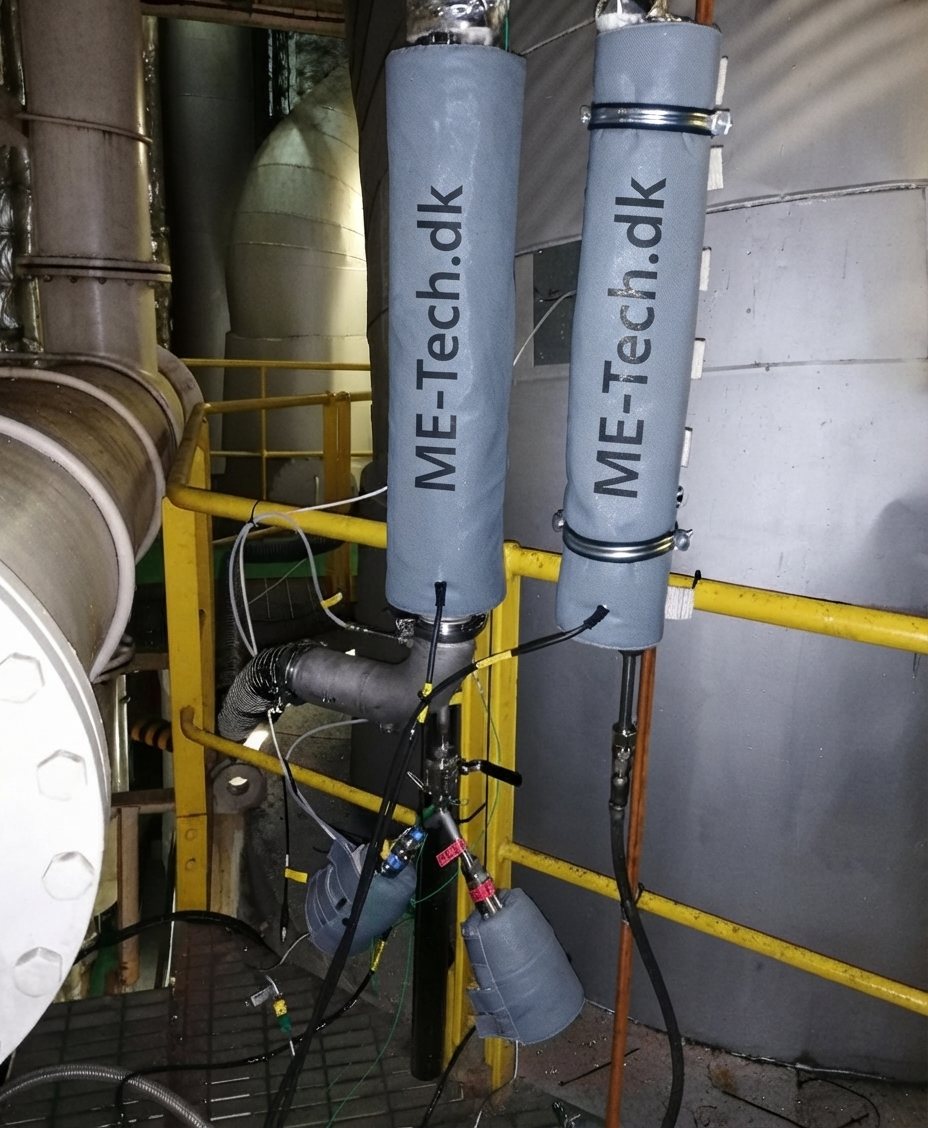
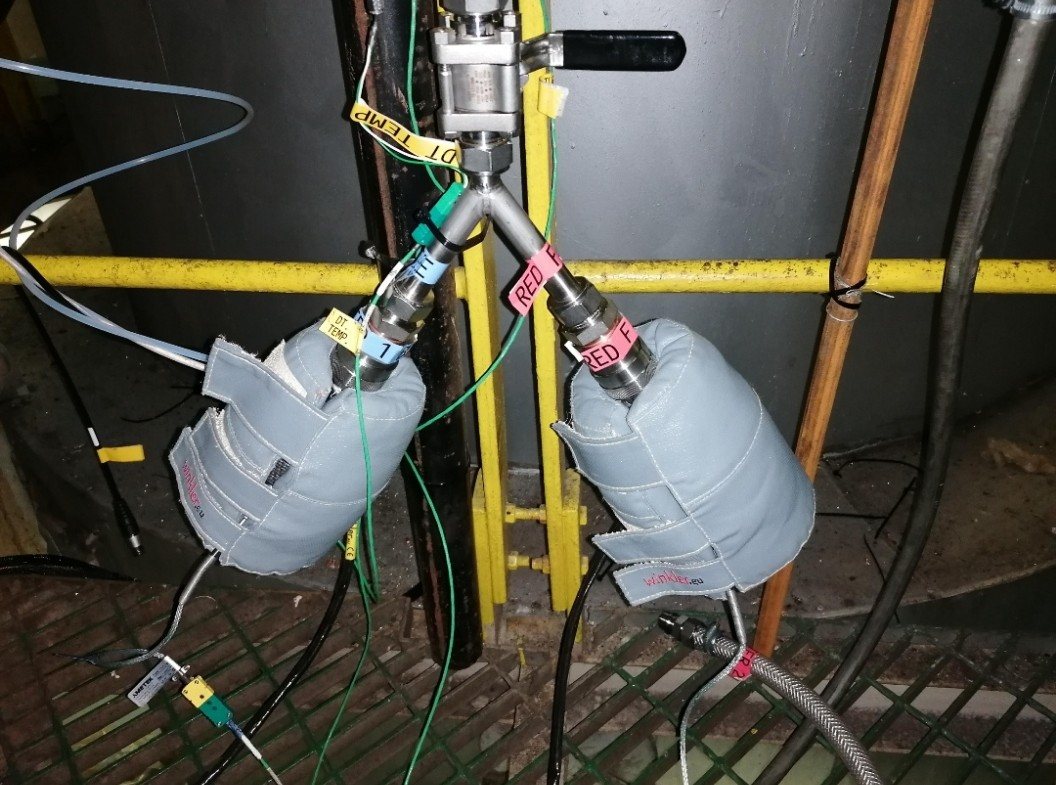
What the PM system consists of
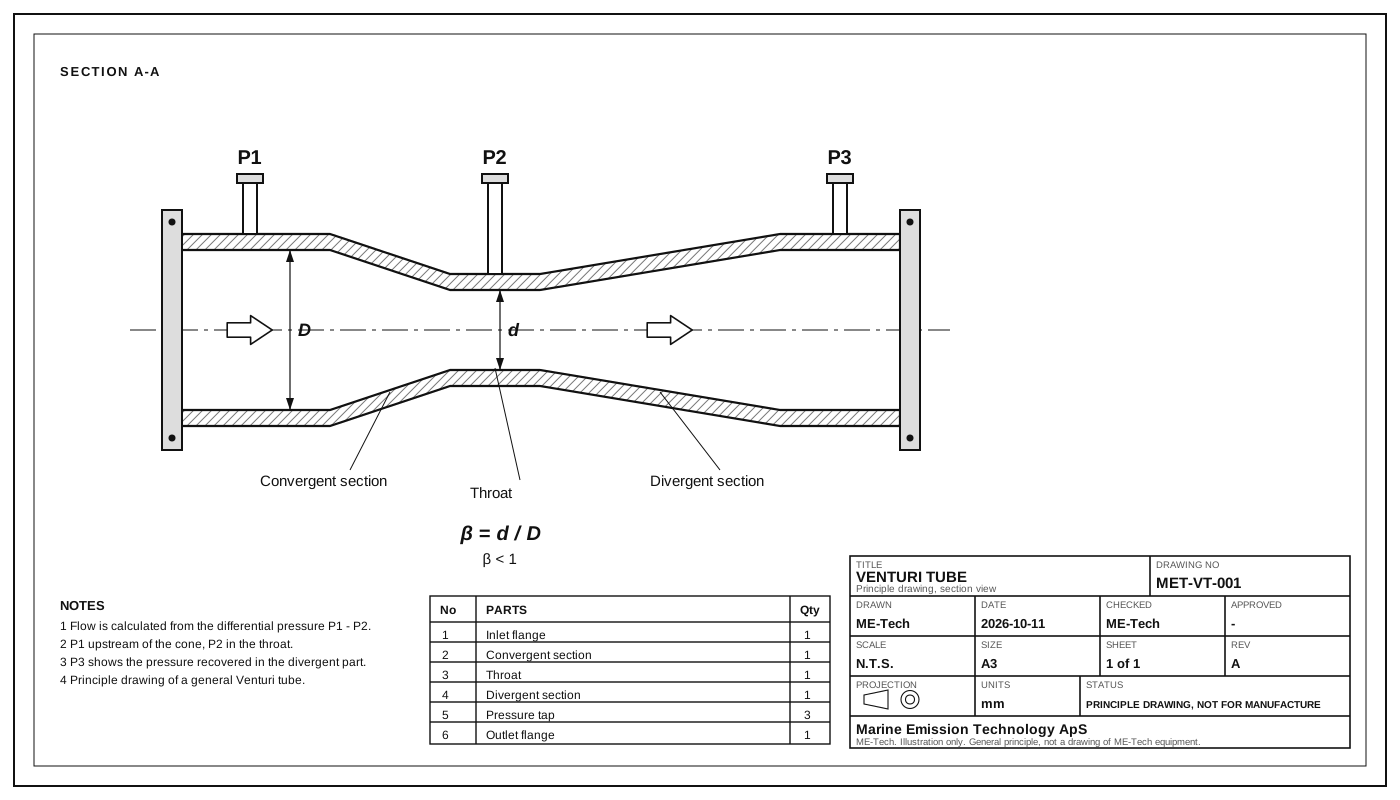
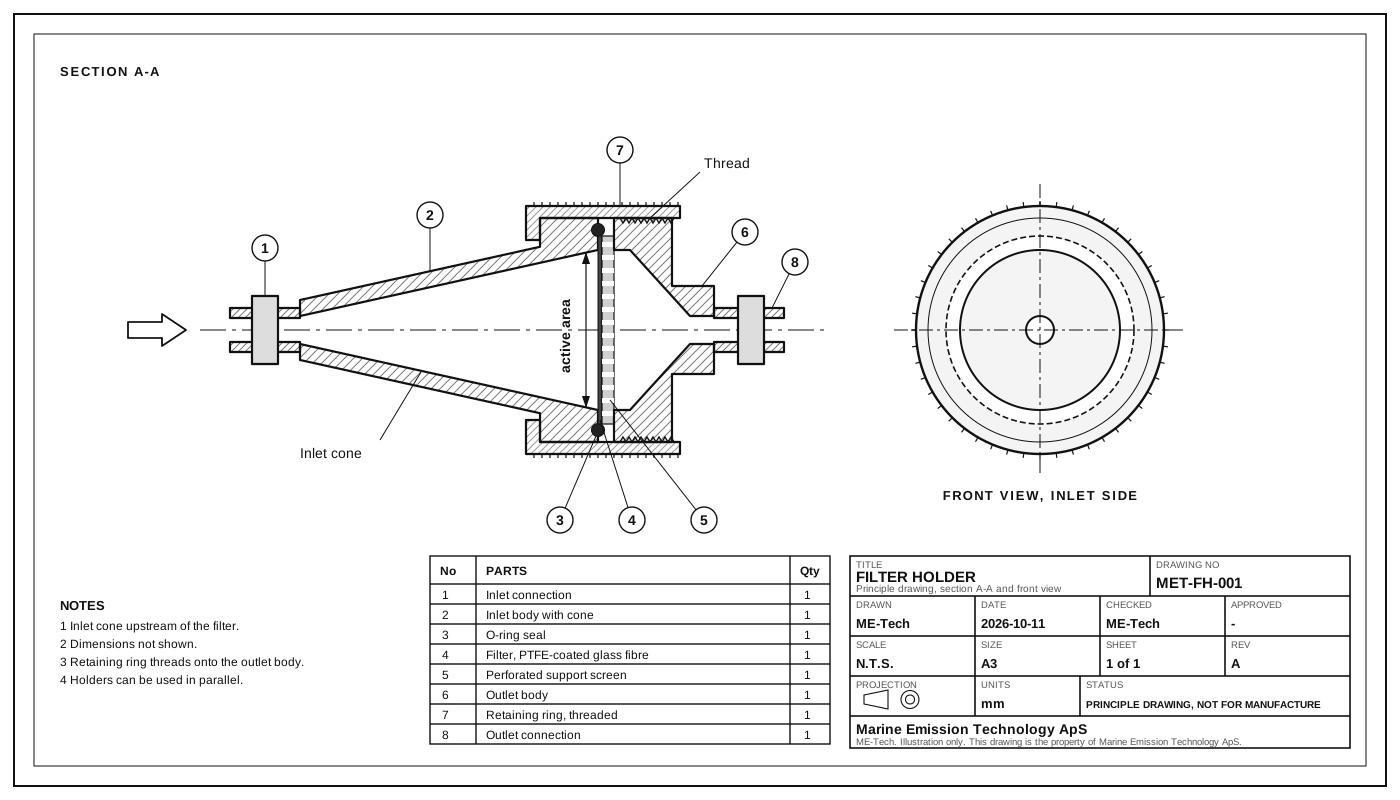
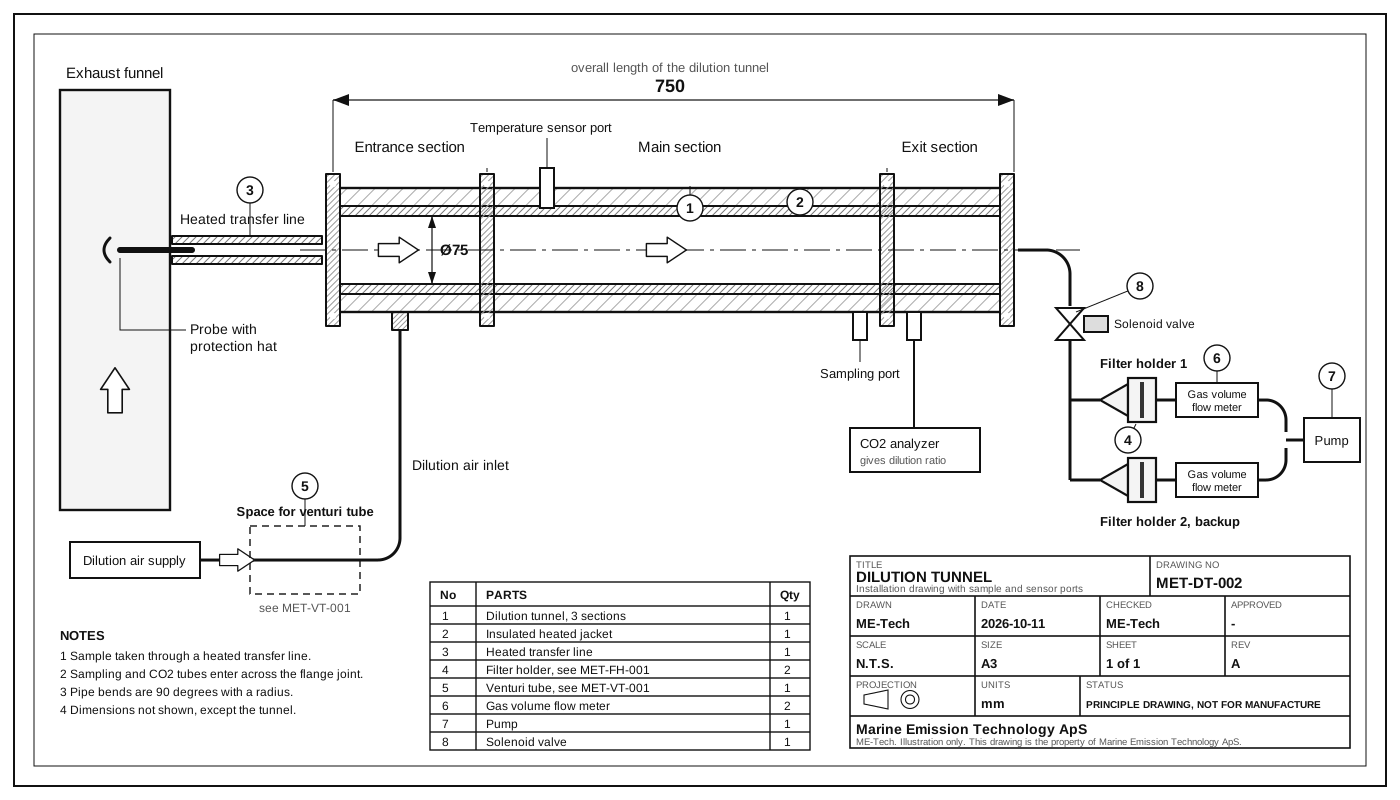
MET-VT-001 Venturi tube, general principle | MET-FH-001 Filter holder | MET-DT-002 Dilution tunnel
Equipment
Onboard equipment
Portable analyzers, sampling and conditioning.
Portable analyzers
Horiba PG-350 and PG-250 portable analyzers measure NOx, CO, CO2 and O2. They are built into transport racks and set up onboard by our technicians.
- Horiba PG-350 and PG-250
- NOx by CLD, CO and CO2 by NDIR
- Built into transport racks
THC and methane
A Horiba THC analyzer with a heated FID measures total hydrocarbons. With a non-methane cutter it measures methane slip, following MEPC.414(84).
- Horiba heated FID analyzer
- Non-methane cutter for methane slip
- Reference method in MEPC.414(84)
 Onboard equipment | Horiba MEXA 1170 HFID
Sampling and conditioning
Winkler heated lines, up to 190 °C, carry the sample to the analyzers that measure hot: the heated FID for THC and the ECO Physics HCLD for NOx. For the Horiba PG-350, the sample passes the NO2 converter and is then cooled in a gas cooler, so that water does not cause cross-sensitivity in the analyzer. A pre-filter is part of every setup.
- Winkler heated lines up to 190 °C, to the heated FID and the ECO Physics HCLD
- NO2 converter (M&C), then gas cooler (M&C) for the analyzers that measure cold
- Heated sampling pump up to 190 °C
- Temperature controllers (Winkler, Eltherm and CKE K1A)
- Pre-filter in every setup
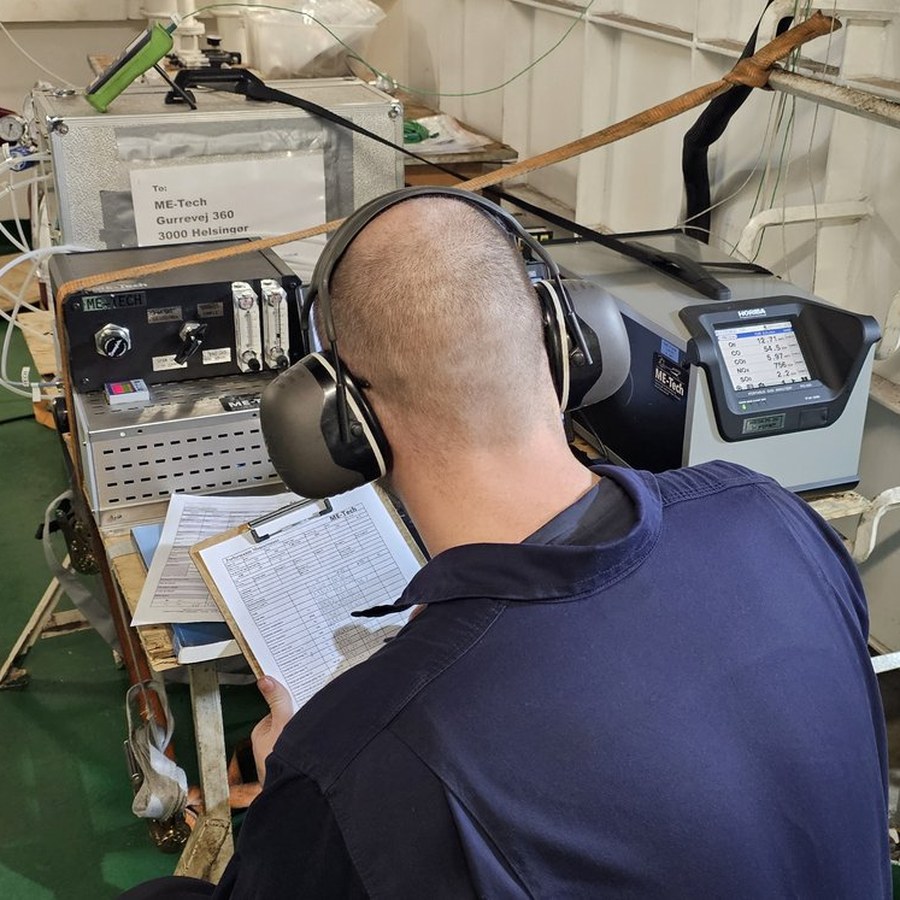 Onboard equipment | Analyzer setup
The rules
NTC 2008, chapter 6, gives the procedures for demonstrating compliance onboard, and Appendix 3 gives the specifications for the analyzers.
- NTC 2008, chapter 6: onboard procedures
- NTC 2008, Appendix 3: analyzers
- Calibrated before use, see Calibration
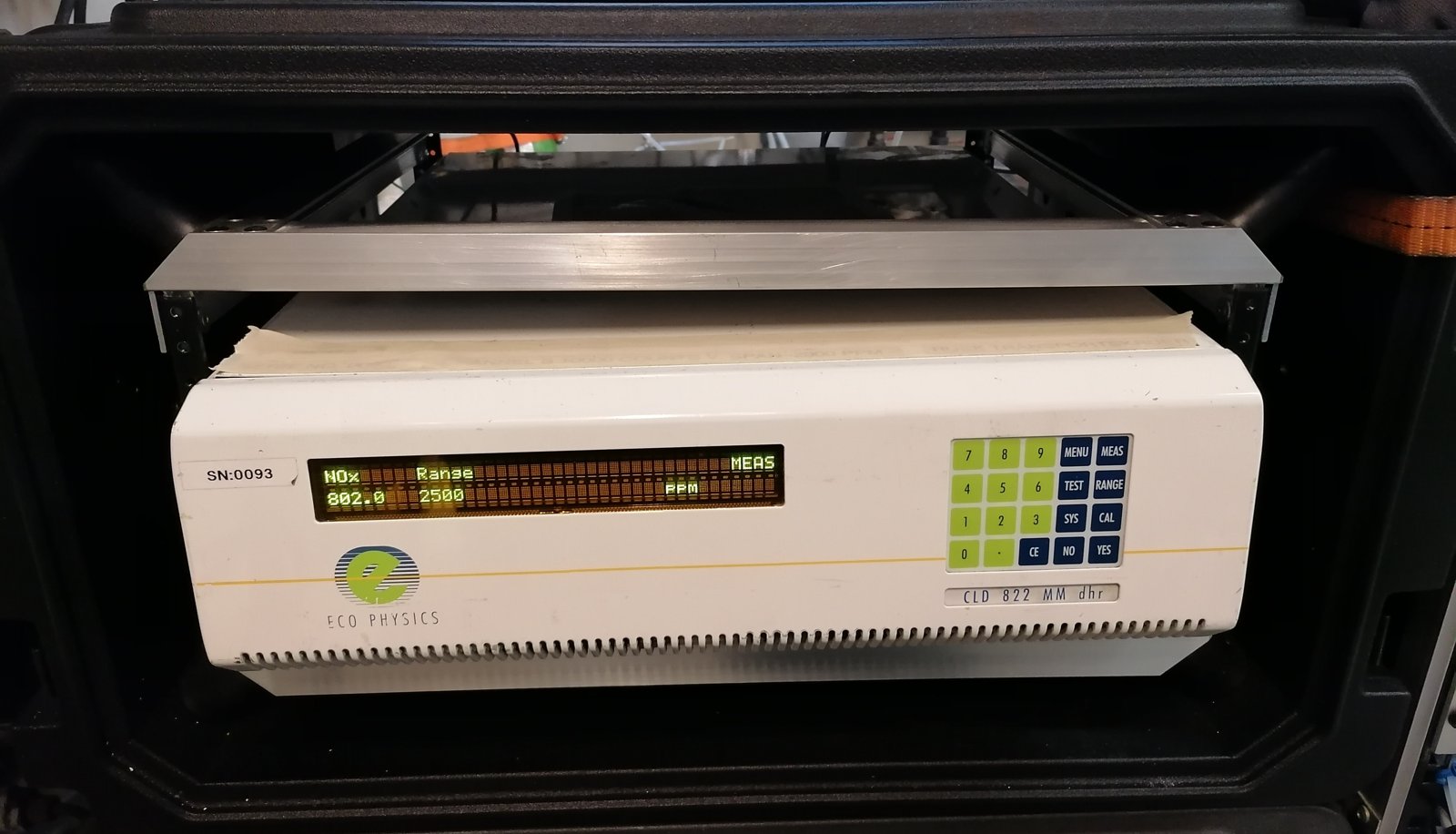 Onboard equipment | NOx analyzer
Equipment
Test bed equipment
The full gaseous bench for certification and development work.
Full gaseous bench
For the test bed we use CLD analyzers (ECO Physics), NDIR analyzers (Thermo Scientific and Siemens Ultramat 23), the M&C paramagnetic oxygen analyzer and a heated FID, with gas coolers from M&C. All of it can also be packed and used onboard.
- CLD (ECO Physics)
- NDIR (Thermo Scientific and Siemens Ultramat 23)
- M&C paramagnetic oxygen analyzer and heated FID
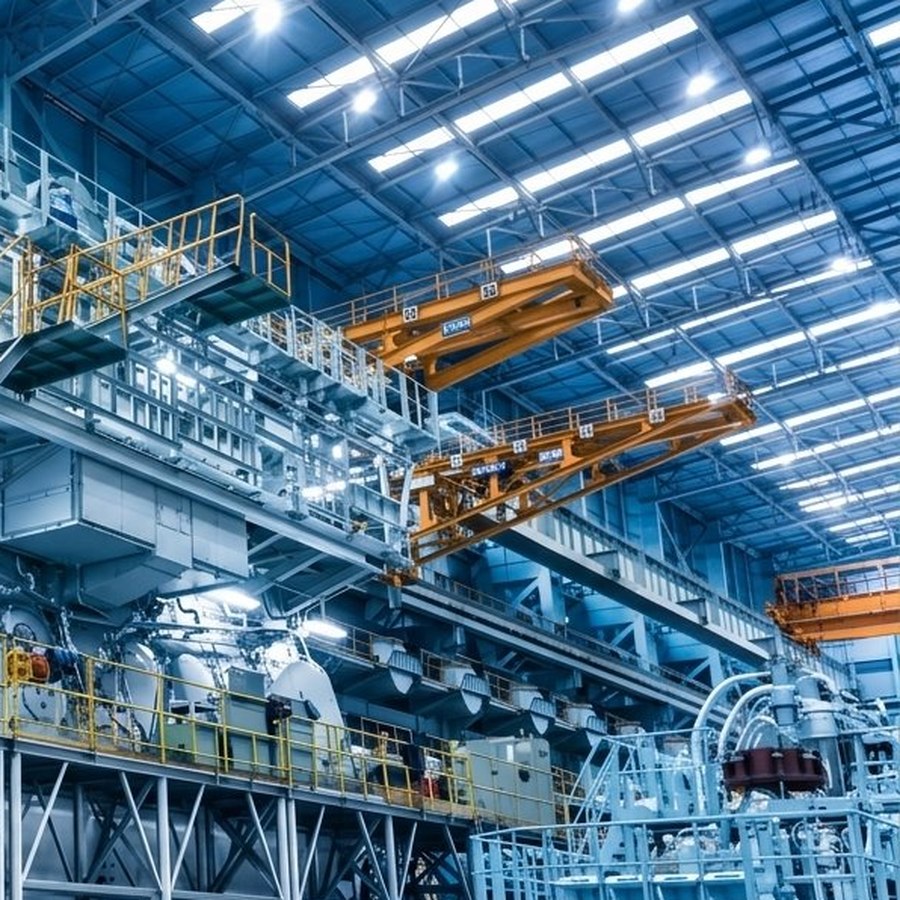 Test bed equipment | Test bed
Sampling and conditioning
The sample is conditioned in the same way as onboard: heated lines and a heated sampling pump for the analyzers that measure hot, and an NO2 converter and a gas cooler for the analyzers that measure cold.
- Heated lines and pump up to 190 °C
- NO2 converter and gas cooler (M&C)
- As described under Onboard equipment
Our equipment or yours
On the test bed we can use our own equipment, or work with the equipment that the test bed already has.
- Our equipment or yours
- Calibrated and documented
The rules
NTC 2008, chapter 5, gives the procedures for NOx emission measurements on a test bed. The engine is tested to ISO 8178 and the NTC.
- NTC 2008, chapter 5: test bed procedures
- ISO 8178
- Test report for the Technical File
Documented
Every test is documented, from the calibration of the analyzers to the test report.
- Calibration certificates
- Test report
Equipment
Research equipment
FTIR, smoke and particulates.
FTIR
The FTIR measures up to 50 compounds in the exhaust, including N2O, unburnt methanol and formaldehyde.
- Up to 50 compounds
- N2O, methanol and formaldehyde
- Reference for N2O in MEPC.414(84)
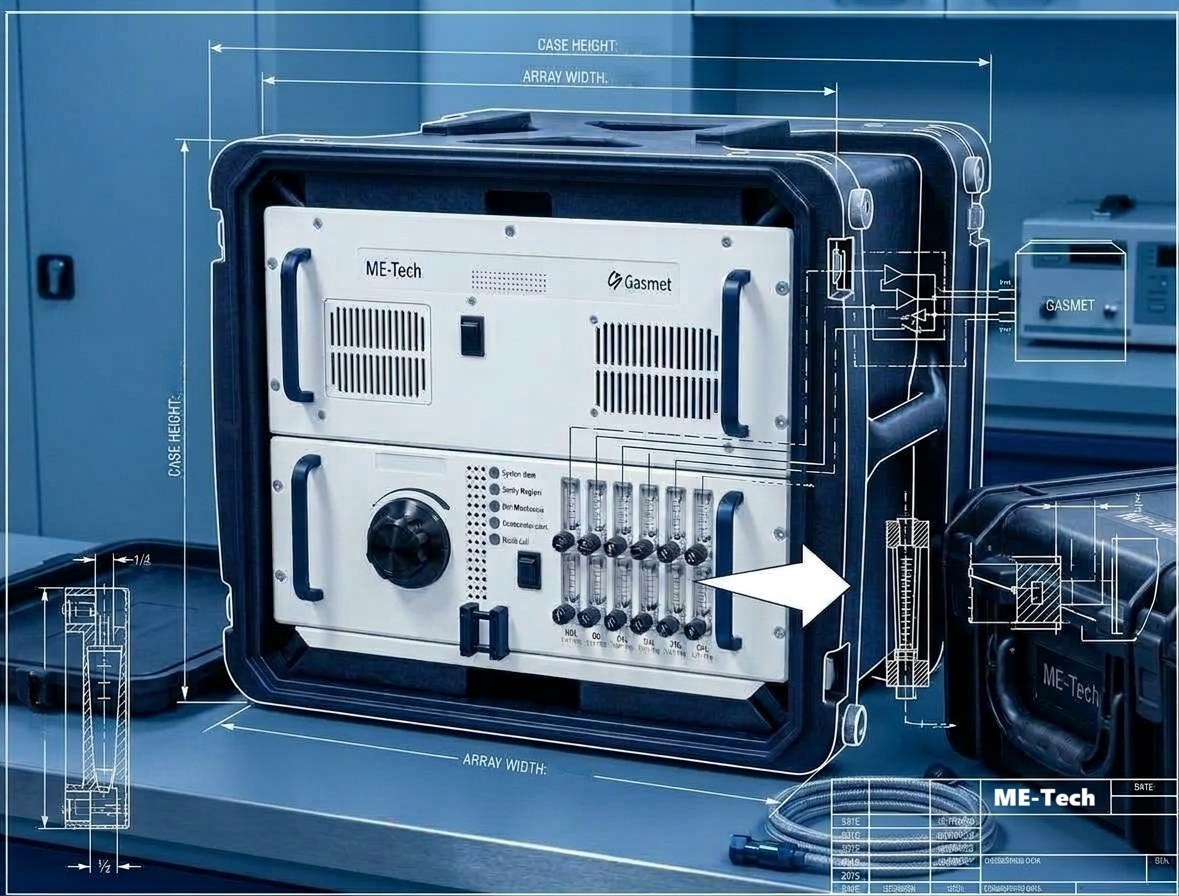 Research equipment | FTIR
Filter smoke number
An AVL smoke meter measures the filter smoke number, from which black carbon can be derived.
- AVL 415S smoke meter
- ISO 10054 and ISO 8178-3
- Black carbon per MEPC.394(82)
Particulate matter
Particulates are measured gravimetrically with the PM system we developed, following ISO 8178 and EPA 40 CFR Part 1065.
- Gravimetric PM
- ISO 8178 and 40 CFR Part 1065
- See PM equipment
Equipment
Performance equipment
Temperature and pressure for engine performance.
Engine performance sensors
Thermocouples and pressure sensors for engine performance measurements, calibrated and documented together with the emission measurements.
- Thermocouples
- Pressure sensors
- ELMA 712 differential thermometer
- Digitron 2023P handheld pressure meter
- Calibrated and documented
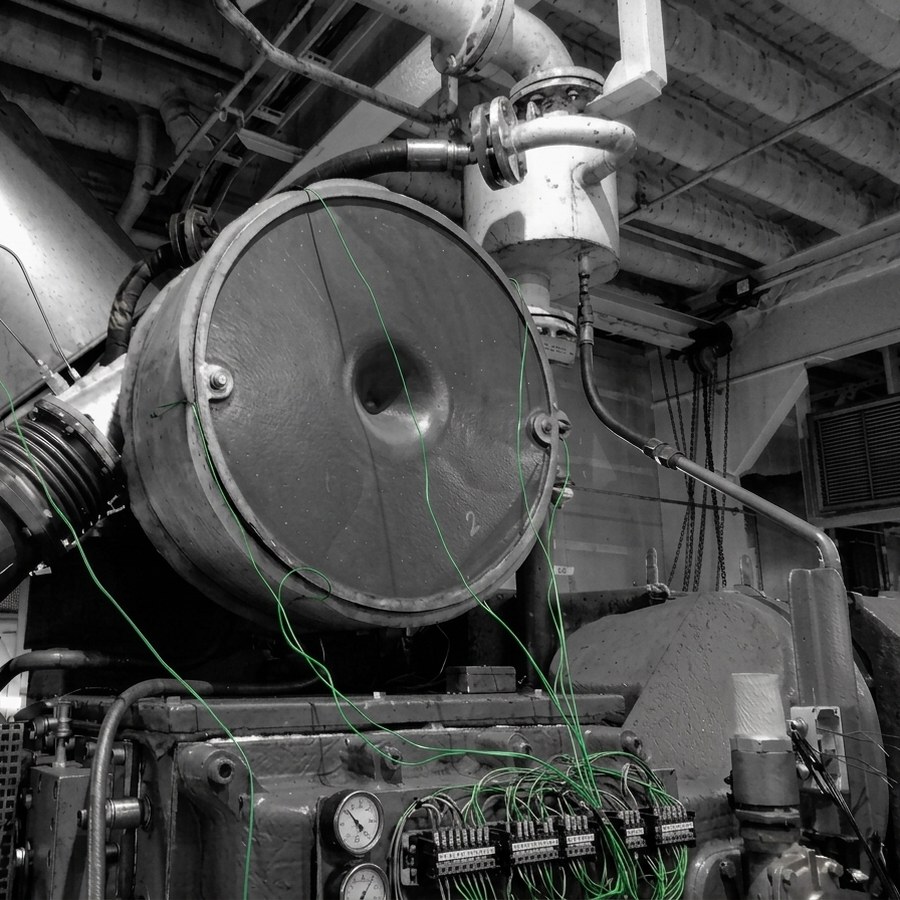 Performance equipment | Instrumented turbocharger
 Performance equipment | Injection timing
Ambient instruments
Ambient pressure, temperature and humidity are measured with instruments that are calibrated separately from the engine sensors.
- Testo 511, for ambient pressure
- Testo 440 and Testo dp440
- Vaisala ambient analyzer, for pressure, temperature and humidity
- HygroPalm
- Calibrated before use
The rules
NTC 2008, Appendix 4, section 1.3 and table 4, give the permissible deviations and the calibration validity period of the instruments.
- NTC 2008, Appendix 4, 1.3 and table 4
- Calibration certificate for each instrument
Need the right equipment onboard?
We bring it, set it up and run it.
